Performance Ethnography
Riccio emphasizes that he is not an anthropologist by training, but he often applies anthropological methods. Indigenous cultures are essentially oral, and when written down, only a small part of them is preserved. People, however, have much more knowledge, which is about to disappear if no one becomes interested in it.
—Kumppani Magazine, Finland

Interviewing Machai, !Xuu Bushman healer, lower Kalahari
An ongoing, thirty-year pan-cultural folk, ritual, and shamanic performance research and documentation project. The goal is to 1) investigate and document vanishing traditions and 2) articulate and promote an alternative, earth-centric performance expression for our contemporary world. The project's ambition is to offer a new form of indigenous performance, founded in traditional expressions and shaped in response to a globalizing world threatened with environmental collapse. Appreciating and re-imagining the wisdom and expressions of those who have lived traditionally with their indigenous place to create a new/old way of being with the earth. We are all becoming indigenous again.

Fellow / Royal Anthropology Institute

Field research, Tamil Nadu, India

Interviews in Hunan, China
“Riccio searches for different ways and means to transplant a people’s traditional performance culture into a modern expression to address existing social, political, and human concerns. He tries to find his way to the roots of a culture’s myths in search of the power and origins of a culture’s expression.”
—The Helsinki Messenger, Finland
Miao / Hunan, China


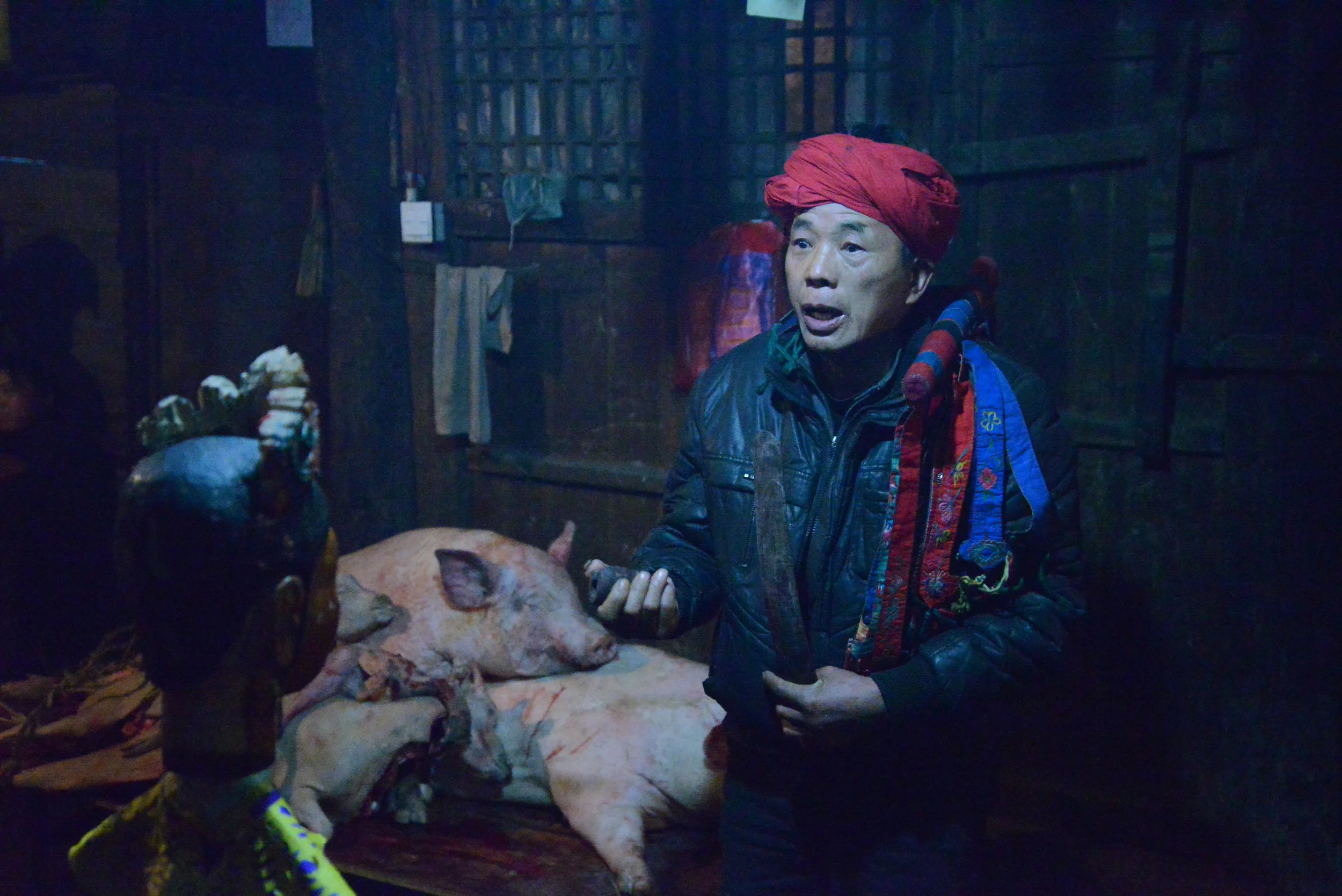


Huan Nuo Yuan
Documentary Short
19:19


Exorcism and Transformation in Miao Ritual Drama, TDR Summer 2019

Zhuiniu Water Buffalo Ritual of the Miao: Cultural Narrative Performed. Spring 2022

In trance with Miao xianniang (spirit medium)
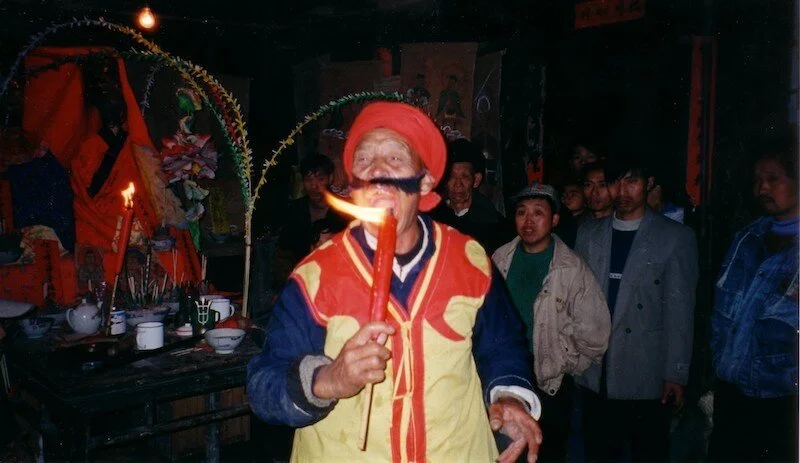
Master Shi Jin he / Badai (shaman)

Master Shi Bang Wu / Badai (shaman)

Visual mnemonic used by Miao Xiangxi, Hunan, China

Ritual steps diagram
Zambia
N’goni Tribe
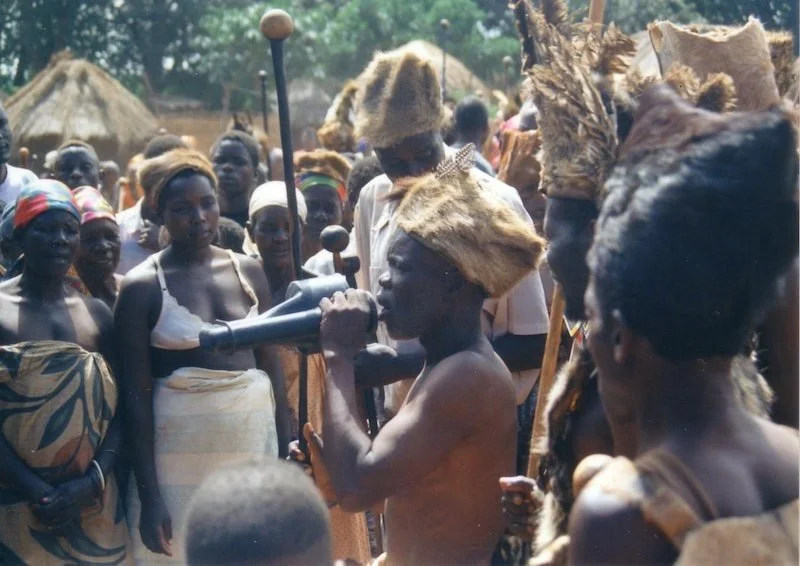
N’cwala ritual


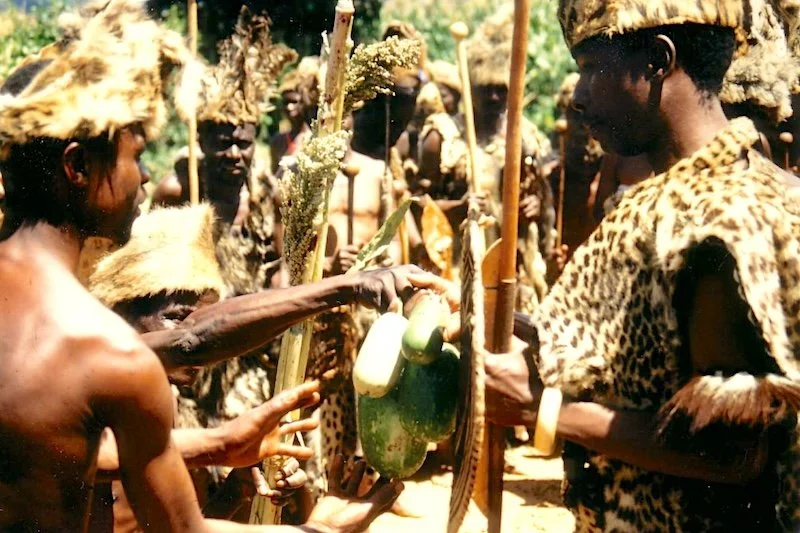
I Will Get You at N’cwala!
Documentary Short
22:18

Documentation of a ritual presented by the Ngoni people of Zambia. Chipata, Zambia, on the Zambia-Malawi border, April 1994. A three-day presentation of a formerly banned ritual. During the ritual, any debts, antagonisms, or affronts from the previous year could be settled without consequences, often leading to death or injury. In the modern version, a young bull was endowed with the year's ill will and the community's feelings, and was sacrificed.


India
Therukoothu Folk Performance
Tamil Nadu


Therukoothu
Documentary Short
15:26


!Xuu Khwe Bushmen
Kalahari Desert

Machai / Healer after an all-night healing ritual
Making Heat
Documentary Short
12:54


Origin myth

!Xuu Mythic images


Korea
Mudang
folk tradition

Mudang Jong / Making a family blessing
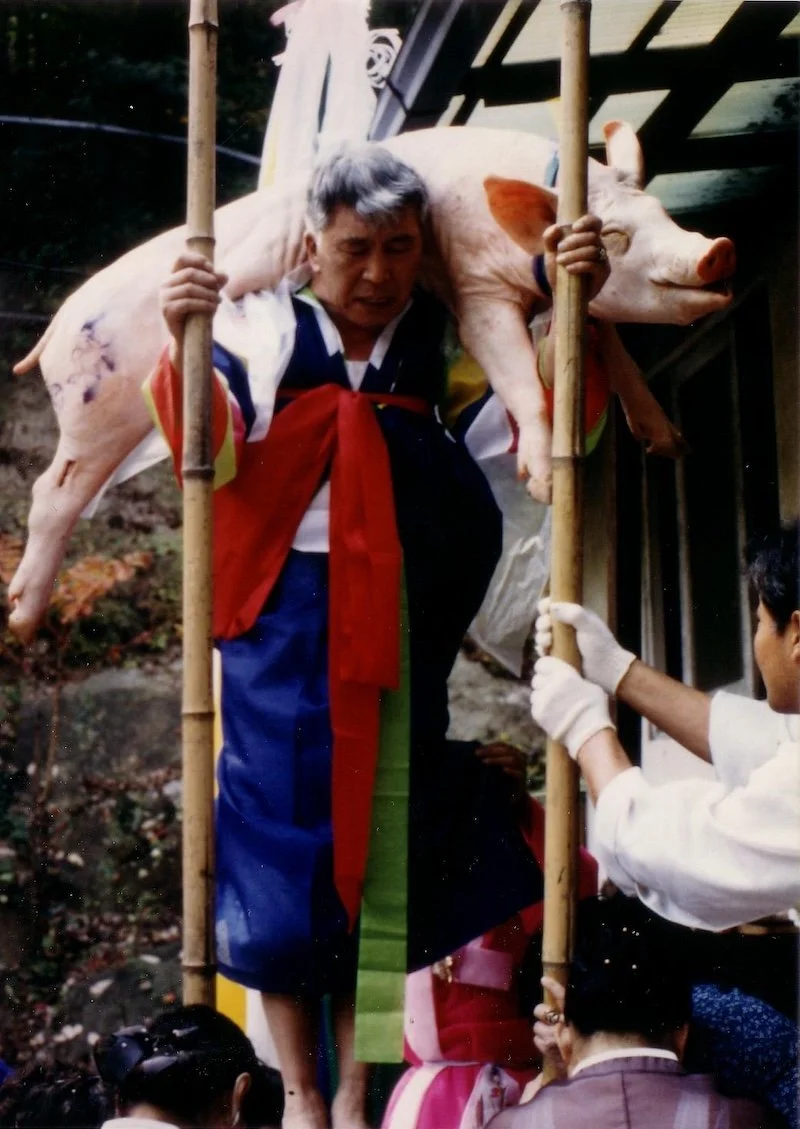
Shinbang Park / Making an offering

Shinbang Park / Officiating an Initiation
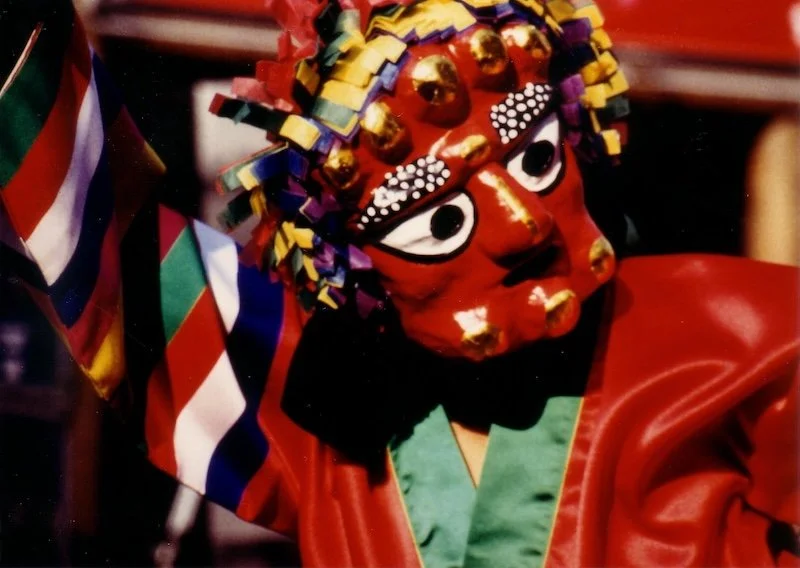
Kamyunguk Folk Mask / Monk

Kamyunguk Folk Mask / Virgin

Offering / Family Success Ritual
As she spoke, Mrs. Jong grew younger, almost childlike, her face and shoulders moving to dance rhythms only she heard; occasionally she shuddered at some unseen touch. Her vocal patterns fell into a chant as we all watched with curiosity, fascination, and anticipation. Chang Chong-il slept contentedly in her grandmother’s lap. Mrs. Jong’s two lady friends nodded with affirmation, swaying and rocking as if they, too, felt the spirits near. Mrs. Jong’s low singing increased in volume to encourage the spirits to enter the room. Her body shuddered as if suddenly possessed. Concerned, her son and daughter came near and watched their mother speak in the spirits' dialect. Then Mrs. Jong stopped as suddenly as she had started, looking at us as if someone just startled her into wakefulness, wondering why people were staring at her. She lit a cigarette, “The spirits like to smoke,” she laughed. “The spirits are good to me; they protect me when I am on the knives. So I smoke to please them.
—from Worlds Away, travel memoir
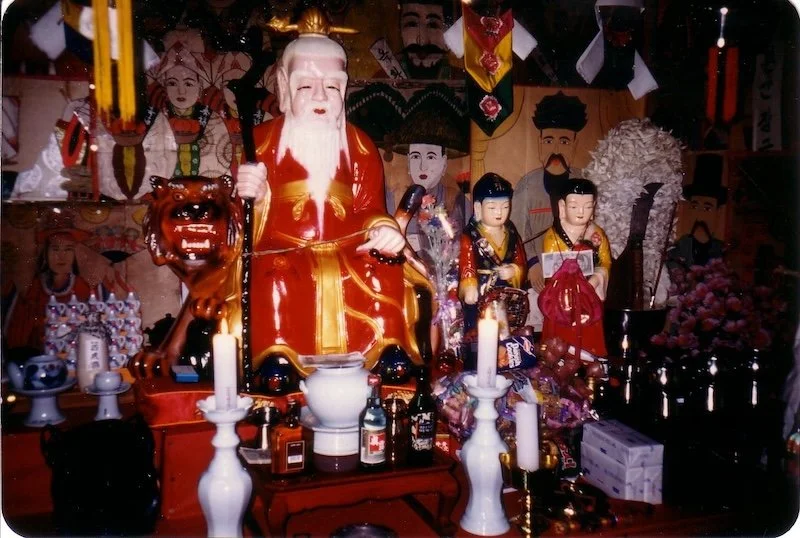


Umbanda
San Paulo, Brazil

Many people say oh, spirits. Spirits are people. The difference is that we have bodies, and they don't. But they are people like me. Spirits once had a body. So if they appear, they want to talk. Why don't you ask? What do you ask? They are talking. They have a language and vocabulary, which are part of their ways of talking. You see here: the candles, the herbs, the smoke. Everything is related to energy. This is communication. How you handle energy and spirits is energy, and how you deal with them is energy. So perhaps your way is not like this? Perhaps it is in other places, but you have to find a way to talk to them and where you feel better, where you feel best, where you think, and when you are in the right way.
—from an interview with a spirit medium


Mexican Curandero
Spiritual Healing
Azenet Macedo Angulo

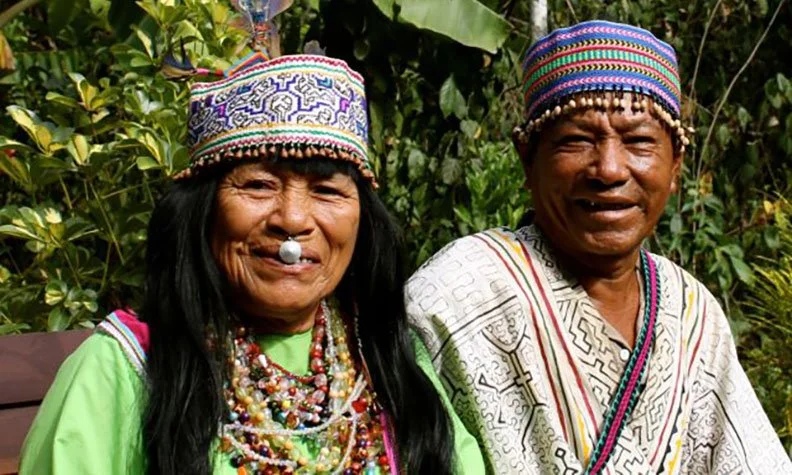
It is a responsibility. I always work on both sides of everything. Everything can hurt you or heal you, depending on how you take it—even plants. If you take it the wrong way, the plant can kill you. But if you take it well for praying and healing, you need to know how it works and the spirit of the plant. If not, you may not be capable of assimilating the plant's power because those plants are on the earth for some reason. And if not, it's not for recreation. It gives you the power to raise your life and help others. It's an arduous path.
—from an interview with Azenet Macedo Angulo


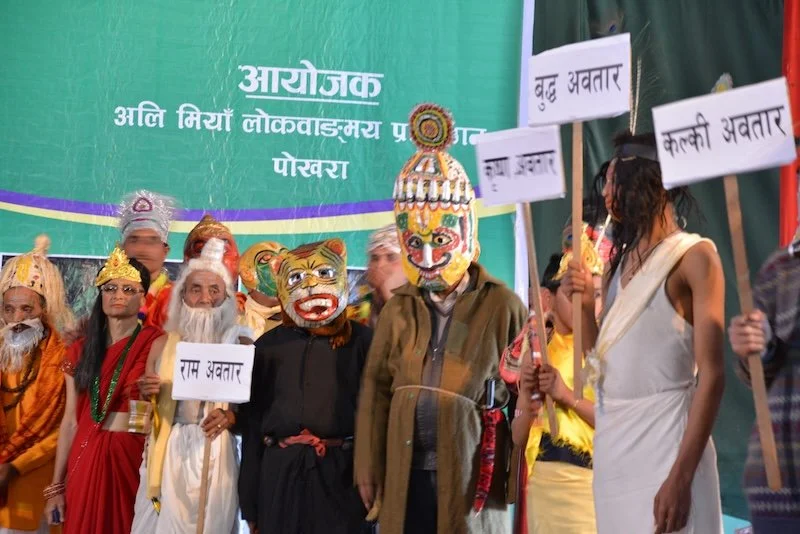
Nepal
Folk Performance


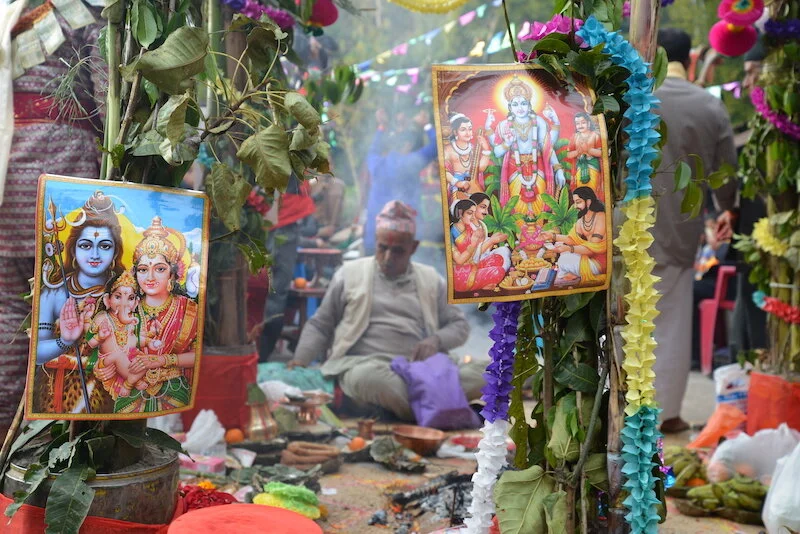


The original village dance is a bit different from what we see today. Two years ago, when we held a beauty pageant here, we ran a Magar beauty contest, and we had to take the candidates to the villages to show them our culture. That is where they saw them dance this particular dance for the first time. It was different than how we were performing the dance. The boys had drums in their hands, which were much more rhythmic than in the city. It is interesting to see how, when it comes to the city, things become simpler. Things in the country no longer have meaning when they come to the city.
—from an interview, Pokharar, Nepal

Ethiopia
Christian Orthodox Ritual research


Market Place healers, Addis Ababa.


Tanzania
Traditional Performance
Popular Theatre

Makonde Ritual, Tanzania
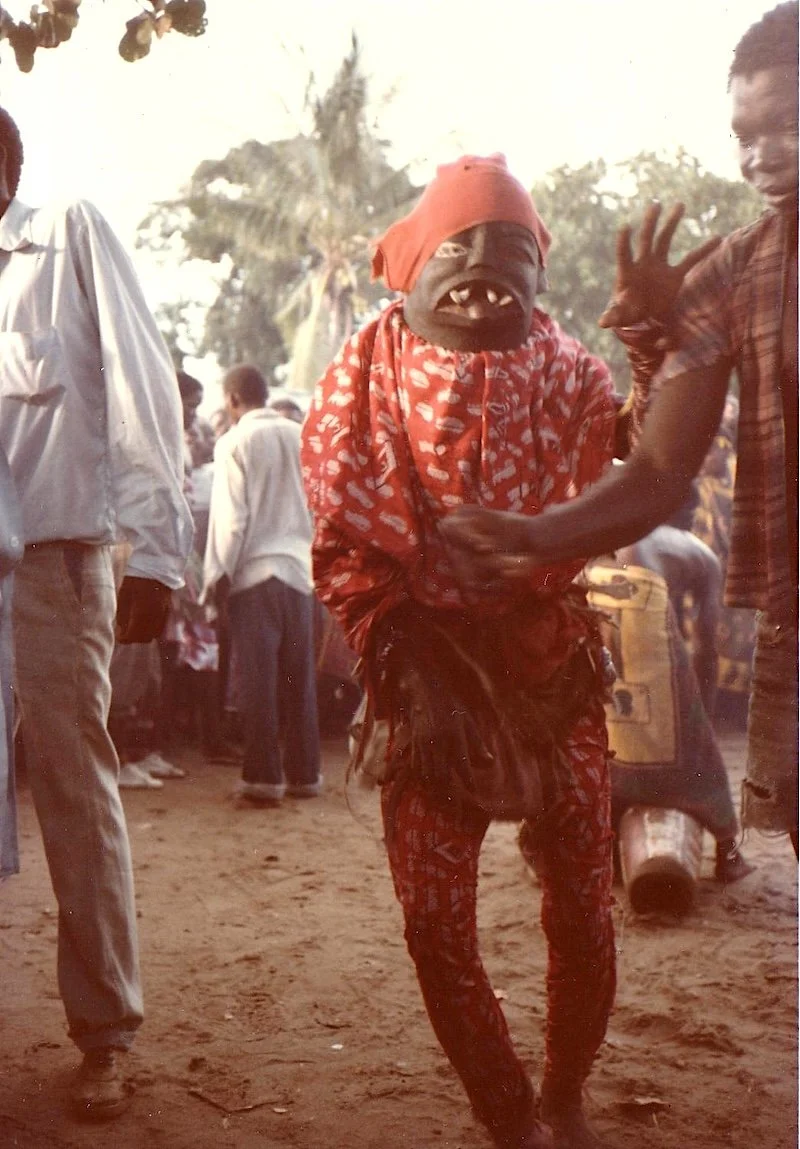
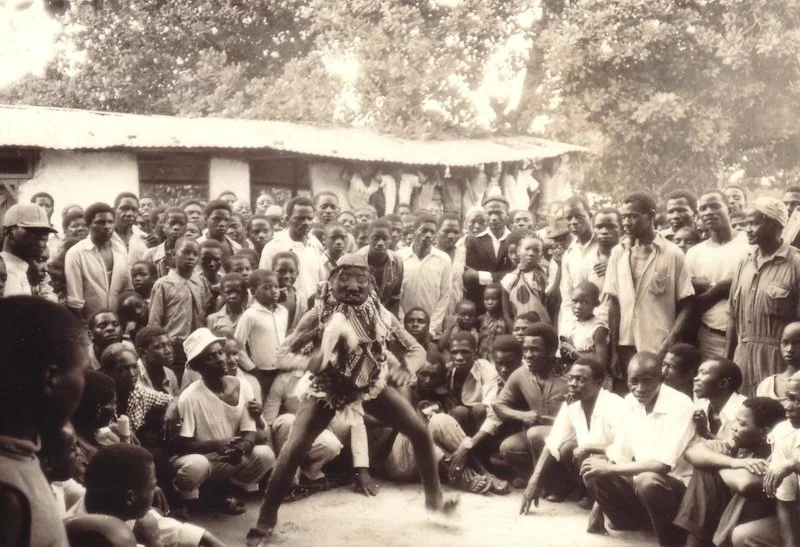
Makonde Mask Ritual, Tanzania

Stories cover thick the world, people, events, past, present, and future waddle around. What is out there is a ghost. It seems real. I reach for it, whoosh, it evaporates, something else takes its place. Why does it always change? But that’s okay. Stories are intimate, pass through, around me, caress, seduce, punch, slam bam, what the fuck, bump into, excuse me? I chase them, thinking I will understand, please, for a moment, what is going on, what can I, should I do? Oh yeah, it is all clear now, it all makes sense.
—from an interview, Voyage Dallas

Mandela Group, Dar es Salaam
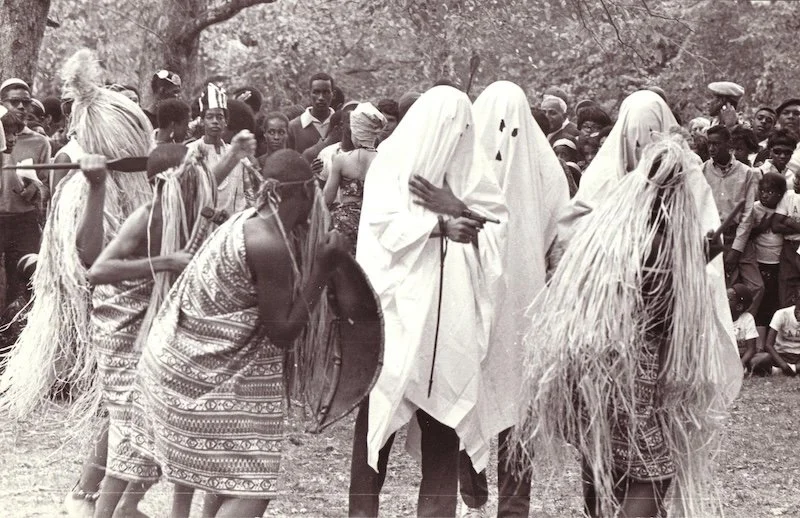
Parapanda Theatre, Dar es Salaam
Kenya
CHAPS
Health Awareness Program
Nairobi
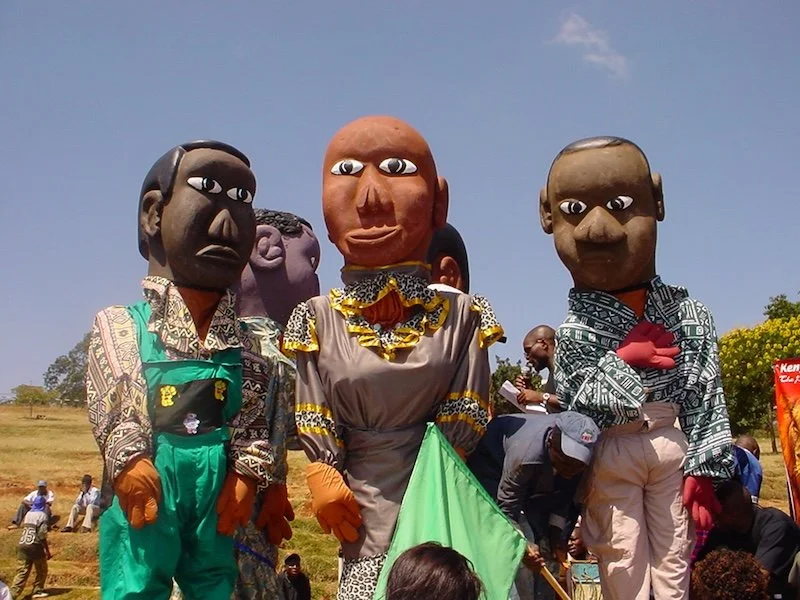
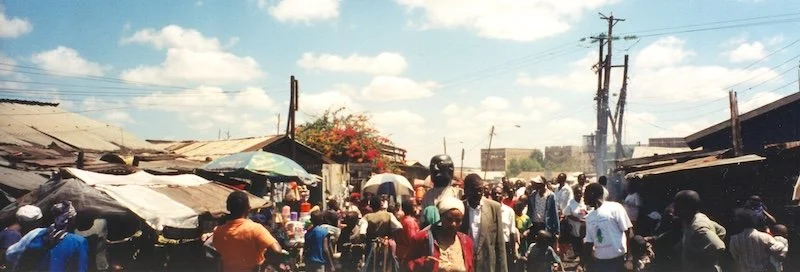
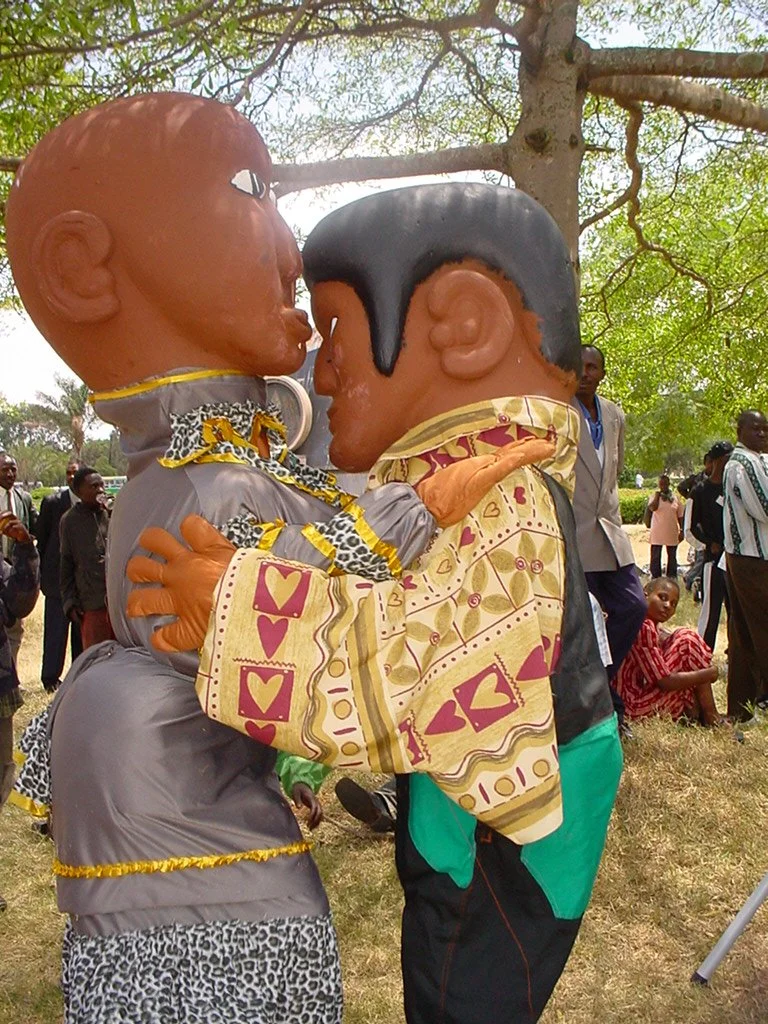
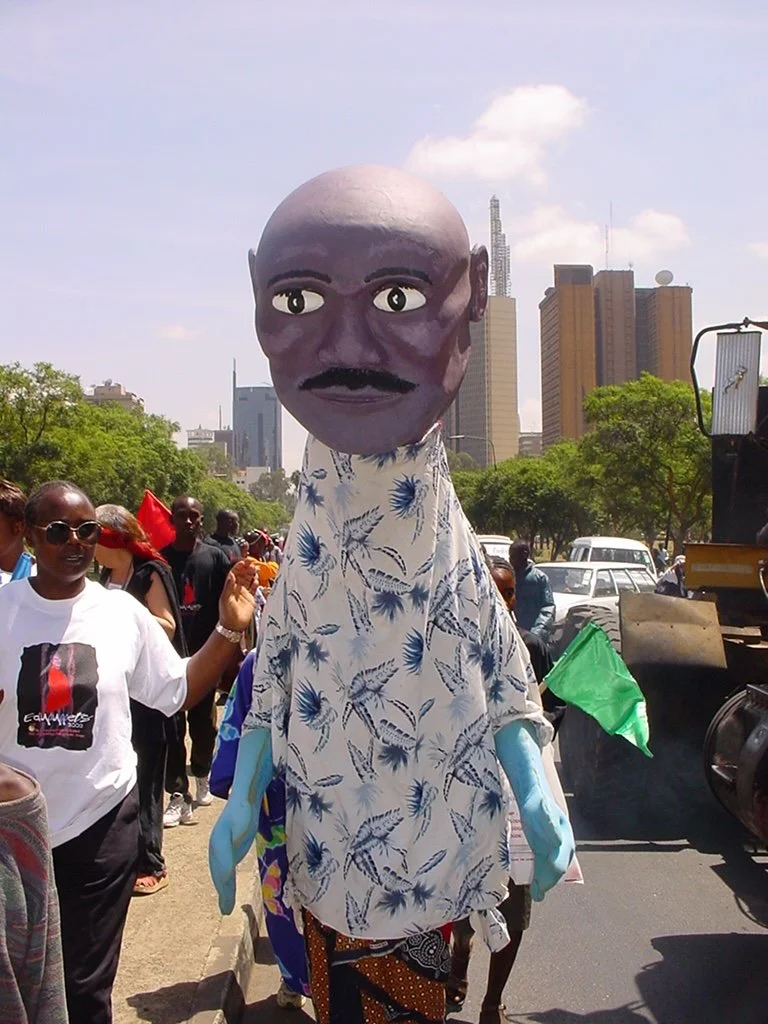
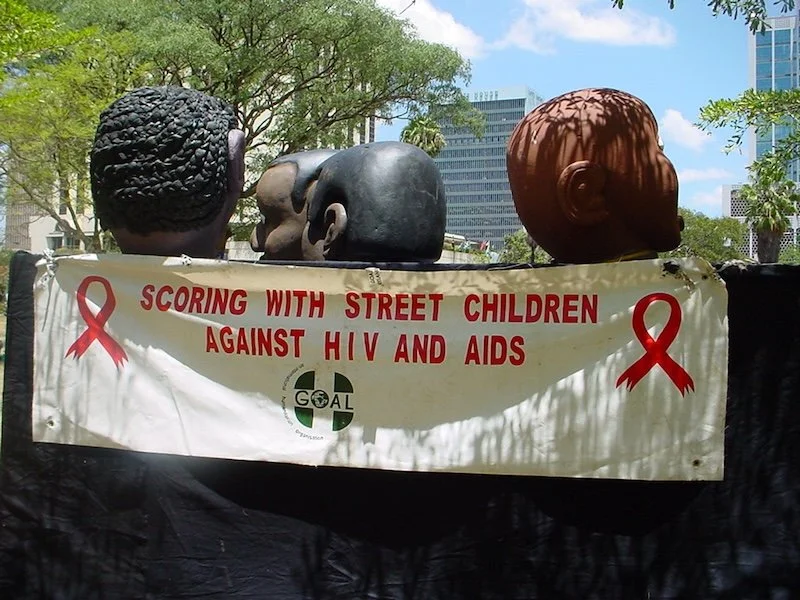
Puppetry in Kenya has flourished because it is non-threatening and has the uncanny ability to entertain and communicate simply and directly. Curiously, puppetry, or the animation of figures within a narrative context, was never developed into a performance tradition in Africa. Puppetry per se is not indigenous to Africa except for a few West African traditions, most notably the thousand year old “kotébe” from the Niger River area of Mali. The absence of puppetry from the otherwise vibrant and varied African performance traditions is most likely due to Africa’s use of totemic, fetish, and mnemonic figures which have been associated with witchcraft in a number of ethnic groups. Puppetry was originally introduced to Africa during the colonial era and then used sporadically, in combination with Theatre for Development activities, since the 1980s. However, the fact that puppets have no history or tradition in Africa is a part of its success. Because there are no preconceived notions, expectations, taboos or traditional contexts attached to puppet performance in Africa, puppets remain a novelty, neutral and free to define their own place, expression, and function.